Replacement Belts for John Deere Combines
Find the right replacement belt for your John Deere combine. Compare belt types, fitment, and sourcing options to reduce downtime.
Belts are among the most frequently replaced components on John Deere combines. They transfer power across the machine's drive systems, feederhouse, cleaning shoe, and chopper assemblies. When a belt fails during harvest, the result is immediate downtime and potential secondary damage to pulleys, bearings, or adjacent components.
This guide helps dealers, repair shops, and farm maintenance teams evaluate replacement belt options for John Deere combines. It covers common failure patterns, belt identification, OEM-versus-aftermarket considerations, and sourcing decisions. The goal is to reduce avoidable ordering mistakes and match the belt to the specific machine configuration before requesting a quote.
Why John Deere combine belts fail
Combine belts operate under high load, variable speed, and sustained heat during harvest. The primary failure modes are:
- Wear from cyclic loading. Each engagement cycle stretches and heats the belt. Over hundreds of hours, the rubber compound hardens, cracks, and loses grip.
- Environmental stress. Dust, chaff, and crop debris accumulate on pulleys and belt surfaces. Abrasive material accelerates sidewall wear and reduces the effective contact area.
- Tension loss. As a belt stretches, the tensioner compensates until it reaches its limit. Beyond that point, slippage increases heat generation and accelerates degradation.
- Misalignment. A pulley shifted by bearing wear or bracket damage applies uneven load across the belt width, causing one edge to wear faster.
- Age and storage degradation. Rubber compounds degrade over time even without use. A belt stored for several seasons in fluctuating temperatures may crack before reaching its rated service life.
Understanding why a belt failed helps determine whether the replacement needs to match the original specification exactly or whether the failure points to a pulley, tensioner, or alignment issue that should be corrected at the same time.
Understanding belt types and part numbers
John Deere combines use several belt categories, each with distinct profiles and load characteristics:
Drive belts
These transfer engine power to the separator, rotor, or threshing system. They are typically the widest and highest-tension belts on the machine. Drive belts use banded or cogged profiles to handle the torque without slipping.
Feederhouse belts
Feederhouse drive belts transfer power from the combine body to the feederhouse assembly. They must accommodate the angular movement as the header raises and lowers. These belts are subject to high shock loads when the header encounters uneven crop flow.
Cleaning shoe belts
These drive the cleaning fan and sieve mechanisms. They are generally narrower than the main drive belts but run at higher speeds. Premature wear here often shows as reduced cleaning performance before the belt visibly fails.
Part number formats
John Deere belt part numbers typically follow a prefix-number pattern. Examples include numbers beginning with H, AH, or other alpha prefixes followed by a numeric sequence. The suffix or revision indicator can distinguish a current service part from a superseded version. Always record the complete number, including any prefix, suffix, or revision character.
For guidance on tracing and validating John Deere OEM numbers, see How to Cross-Reference John Deere Combine Part Numbers.
OEM vs. aftermarket belts
The choice between an OEM belt and an aftermarket alternative involves trade-offs in fitment certainty, durability, cost, and availability.
| Factor | OEM belt | Aftermarket belt |
|---|---|---|
| Fitment certainty | Matched to catalog specifications for the machine | Relies on supplier cross-reference data; verification needed |
| Durability | Engineered for the cataloged application | Varies by manufacturer; request material and performance evidence |
| Cost | Price and terms vary by dealer and region | May be lower, but varies by supplier, specification, and quality tier |
| Availability | Depends on dealer and regional stock | Depends on supplier inventory and season |
| Warranty | Verify current OEM and dealer terms | Verify scope, duration, exclusions, and claim process |
An aftermarket belt that matches the correct profile, length, width, and material can perform equivalently to the OEM part. The risk lies in incomplete cross-reference data—a belt listed as "fits S660" without assembly context or serial-range boundaries may be correct for one configuration and wrong for another.
Measuring and identifying your current belt
Locating the OEM number
Check the belt surface for printed or embossed numbers. On John Deere equipment, the OEM part number is often printed on the belt's outer face. If the print has worn away, check the machine's parts catalog using the model and serial number to identify the correct belt for each drive position.
Belt profile and length specifications
When a number is unreadable, measure the belt directly:
- Profile type. Identify whether the belt is V-profile (classical or narrow), banded, cogged, or synchronous (toothed). The cross-section determines pulley compatibility.
- Top width. Measure across the widest point of the belt cross-section.
- Outside length or effective length. Measure the belt laid flat or use the pulley center distances and diameters to calculate the required length.
- Number of bands. Banded belts have multiple V-sections joined side by side. Count the bands and measure the overall width.
- Tooth pitch (if applicable). For synchronous belts, measure the distance between tooth centers.
These measurements, combined with the assembly location, give a supplier enough information to identify the correct replacement even without a readable part number.
Common replacement scenarios
Slippage and tension problems
A belt that slips under load but has no visible damage is often stretched beyond the tensioner's compensation range. Replacing the belt without checking the tensioner spring and pulley bearing condition may result in premature failure of the new belt. Inspect the tensioner arm travel, spring force, and pulley bearing play before installing the replacement.
Seasonal maintenance replacement
Many operators replace high-wear belts as preventive maintenance before harvest begins. This approach reduces the risk of mid-season failure. When replacing belts on a schedule rather than on failure, record the hours and date of installation to establish a baseline for future intervals. During pre-harvest maintenance, also check air and fuel filters alongside belts to ensure full drive system readiness.
Multiple belt replacement
When one belt in a multi-belt drive set fails, evaluate whether the remaining belts should be replaced as a set. Mixed-age belts in a banded or paired drive can cause uneven loading and premature failure of the new belt. For combines using hydraulic-driven feederhouse systems, see our hydraulic pump maintenance guide if belt-driven components show unusual wear patterns.
Sourcing and installation considerations
Lead times
Lead time depends on the exact OEM number, machine age, supplier inventory, region, and season. Confirm both fitment and a current ship date before treating either the OEM or aftermarket channel as the faster option. When sourcing replacement belts, consult our OEM vs. aftermarket comparison to evaluate cost-durability trade-offs for your machine's age and warranty status.
Harvest-season urgency
During peak harvest, belt demand spikes across the supply chain. Operators who identify wear patterns early and order replacement belts before the season begins reduce the risk of extended downtime waiting for parts.
When to request a quote
Request a quote when:
- The belt number is confirmed but you need pricing and availability from multiple sources.
- The number is uncertain and you want a supplier to verify the cross-reference before shipping.
- You need a belt for an older model that may not appear in standard online catalogs.
- You want to compare aftermarket options against the OEM specification for a specific machine.
Include the complete OEM number, machine model, serial number, assembly location, and any measurements or photos in your replacement-part quote request. Complete information reduces back-and-forth and speeds fulfillment.
Official references
- John Deere Parts and Service
- John Deere Parts Lookup FAQ
- John Deere Combine Maintenance Fundamentals
John Deere and its model names are trademarks of their respective owner. FieldFit Parts is not affiliated with or endorsed by John Deere. OEM numbers and model names are used for identification and compatibility reference only. Always confirm the current OEM catalog record and the machine's actual configuration before ordering or installing a replacement part.
Continue to the catalog
Related Combine Parts Catalogs
Move from lookup guidance to published brand-specific parts. Search by the complete OEM or reference number and confirm the machine details before ordering.
Related Parts
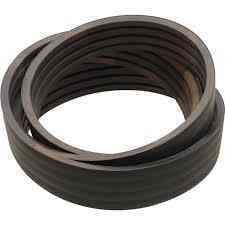
FFP-JD-R01299
Belt for John Deere - Replaces OEM H240888
Quote-only replacement part for OEM H240888. Confirm final fitment with your model or original part number.
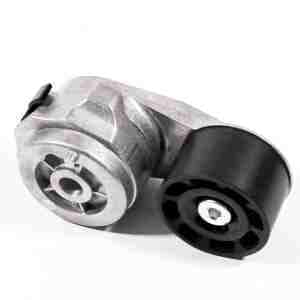
FFP-JD-R01241
Belt Tensioner for John Deere - Replaces OEM RE582501
Quote-only replacement part for OEM RE582501. Confirm final fitment with your model or original part number.
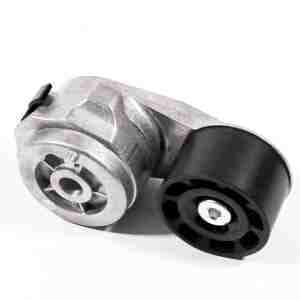
FFP-JD-R01240
Belt Tensioner for John Deere - Replaces OEM RE528500
Quote-only replacement part for OEM RE528500. Confirm final fitment with your model or original part number.
FFP-JD-R01219
Belt for John Deere - Replaces OEM HXE50399
Quote-only replacement part for OEM HXE50399. Confirm final fitment with your model or original part number.
FFP-JD-R01218
Belt for John Deere - Replaces OEM R307304
Quote-only replacement part for OEM R307304. Confirm final fitment with your model or original part number.
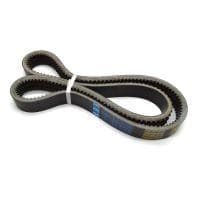
FFP-JD-R01217
Belt for John Deere - Replaces OEM H174885
Quote-only replacement part for OEM H174885. Confirm final fitment with your model or original part number.
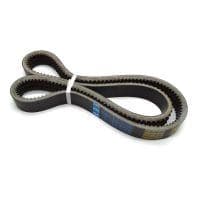
FFP-JD-R01216
Belt for John Deere - Replaces OEM HXE124868
Quote-only replacement part for OEM HXE124868. Confirm final fitment with your model or original part number.