Fuel Pumps for John Deere and Case IH Tractors
Evaluate OEM and aftermarket fuel pumps for John Deere and Case IH tractors. Compare fitment, reliability, and sourcing options.
A fuel pump that does not deliver consistent pressure and volume starves the engine of fuel under load. On a tractor working in the field, that translates to power loss, rough running, stalling, and unplanned downtime during operations where hours matter. Selecting the correct replacement fuel pump requires matching the pump type and specification to the engine, model generation, and fuel system architecture of the specific machine.
This guide covers fuel pump selection for John Deere and Case IH tractors. It is written for parts buyers, maintenance teams, and dealers evaluating OEM and aftermarket options before committing to a purchase or requesting a quote.
Why fuel pump selection matters
A fuel pump operates continuously while the engine runs. Unlike filters or belts that degrade gradually with visible symptoms, a fuel pump can fail abruptly—delivering full performance one hour and zero output the next. The consequences include:
- Immediate loss of engine power. The tractor cannot complete the current operation.
- Potential engine damage. Lean-running conditions caused by inadequate fuel delivery can overheat injectors and damage combustion chambers.
- Diagnostic cost. Fuel delivery problems can mimic other engine issues, leading to unnecessary troubleshooting if the pump is not tested early.
- Downtime cost. A tractor down during planting or harvest directly affects the operation's revenue and scheduling.
Choosing a pump that matches the engine's fuel demand, pressure specification, and mounting interface eliminates these risks at the point of purchase rather than after installation.
Fuel pump types and technologies
Mechanical fuel pumps
Mechanical pumps are driven by the engine's camshaft or gear train. They use a diaphragm or piston mechanism to draw fuel from the tank and push it to the injection system at relatively low pressure. These pumps are common on older naturally aspirated diesel engines and simpler fuel system architectures.
Advantages: No electrical connections required; driven directly by the engine; simpler failure modes. Limitations: Flow rate is tied to engine speed; diaphragm wear is the primary failure point; limited pressure output.
Electric fuel pumps
Electric fuel pumps operate independently of engine speed, providing consistent fuel pressure from startup through full load. They are common on newer tractor models with electronic fuel injection systems and can be mounted in-tank or in-line.
Advantages: Consistent pressure regardless of engine RPM; can prime the system before cranking; easier to diagnose electrically. Limitations: Require functioning electrical supply; sensitive to fuel contamination; connector and wiring compatibility matters for replacement.
Diaphragm vs. inline configurations
Within both mechanical and electric categories, pumps may use diaphragm, piston, or rotary-vane mechanisms. The physical configuration—flange-mounted, inline, or submersible—determines the mounting interface and must match the tractor's existing fuel system layout.
Fitment boundaries for John Deere and Case IH
Model generation differences
Both John Deere and Case IH have produced tractors across multiple generations with different engine platforms, fuel system architectures, and emission standards. A fuel pump that fits a 6000-series John Deere may not fit a 7000-series or 8000-series, even when the engine displacement is similar. Similarly, Case IH Magnum tractors across different production years may use entirely different pump mounting locations and fuel line configurations. A fuel pump that fits a 6000-series John Deere may not fit a 7000-series—understanding model generations and parts compatibility helps ensure you select the correct pump for your specific production range.
Serial range applicability
Within a single model designation, production changes can alter the fuel pump specification. A mid-year engineering change may introduce a different pump flow rate, connector type, or mounting bracket. The serial number or production date is often the only way to determine which pump version applies to a specific tractor.
Key fitment variables
| Variable | What to verify |
|---|---|
| Engine model | Confirm the engine variant installed, not just the tractor model |
| Mounting interface | Flange bolt pattern, port thread size, and orientation |
| Fuel pressure specification | Required delivery pressure at rated flow |
| Flow rate | Liters or gallons per hour at operating pressure |
| Electrical connector (electric pumps) | Pin count, connector type, and wire harness compatibility |
| Fuel line connections | Port size, thread type, and fitting orientation |
OEM numbers and cross-reference data
John Deere numbering
John Deere fuel pump part numbers use the standard alpha-prefix format. Numbers may begin with RE, AR, or other prefixes depending on the era and system. Supersession chains are common—an original pump number may have been replaced one or more times as the service part was updated.
For detailed guidance on tracing John Deere OEM numbers through supersession and catalog verification, see How to Cross-Reference John Deere Combine Part Numbers. The same principles apply to tractor components.
Case IH numbering
Case IH fuel pump numbers often include numeric sequences that may overlap with other CNH brand part numbers. Confirm that the number references the fuel pump assembly rather than an internal component, gasket kit, or mounting bracket.
For an evidence-based approach to verifying Case IH part fitment by serial number and illustrated assembly, see How to Verify Case IH Combine Part Fitment. The verification workflow applies equally to tractor components.
Finding cross-references
Cross-reference databases connect OEM numbers to aftermarket equivalents. These are useful discovery tools, but the match should be confirmed against:
- The official parts catalog for the specific machine model and serial range.
- The physical mounting interface and specifications of the pump being replaced.
- The electrical and fuel-line connector compatibility.
A cross-reference that lists only the OEM number without assembly context or serial boundaries is a starting point, not a confirmation.
Buying criteria: OEM vs. aftermarket
| Criterion | OEM pump | Aftermarket pump |
|---|---|---|
| Fitment evidence | Catalog application and serial notes | Supplier cross-reference plus documented application checks |
| Build quality | Produced for the cataloged application | Varies; request material, tolerance, and test evidence |
| Warranty | Verify current OEM and dealer terms | Verify current manufacturer and supplier terms |
| Price | Compare the current quote and total landed cost | May be lower; compare the current quote and total landed cost |
| Lead time | Confirm current dealer inventory and ship date | Confirm current supplier inventory and ship date |
| Older models | Check supersession and current availability | May provide an option when a documented cross-reference exists |
For critical applications or machines under warranty, confirm the approved repair path and warranty terms before selecting a pump. For older tractors or cost-sensitive operations, an aftermarket pump may be viable when its fitment, pressure or flow specification, connectors, test evidence, and warranty are documented. For a detailed framework, see OEM vs. aftermarket agricultural parts.
Common sourcing challenges
Older model availability
Some older fuel-pump numbers are superseded, remanufactured, or no longer stocked through one channel. Check the current OEM catalog status and available alternatives. Any replacement still needs to match the required flow or pressure, mounting interface, connections, and engine application rather than relying solely on a number match.
Part condition: new vs. remanufactured
Remanufactured fuel pumps reuse a serviceable core, but the inspection, replacement, calibration, and test scope varies by remanufacturer. Ask which internal components were replaced, what calibration or flow testing was completed, whether a test record is available, what core charge applies, and what the warranty covers.
Fuel system contamination
If the old pump failed due to contaminated fuel—water, rust, or debris—replacing only the pump without flushing the fuel system and replacing filters risks immediate damage to the new pump. Factor filter and line inspection into the sourcing decision.
Requesting a quote
When requesting a fuel pump quote, provide:
- Tractor make, model, and serial number.
- Engine model or designation (if known).
- The OEM part number from the existing pump or from the official parts catalog.
- Whether you need a new, remanufactured, or either option.
- Photos of the pump mounting, connector, and fuel line fittings.
- Any symptoms or failure mode that prompted the replacement.
Submit this information through a replacement-part quote request. A complete inquiry allows the supplier to verify the cross-reference and confirm availability without additional back-and-forth.
Official references
- John Deere Parts and Service
- John Deere Parts Lookup FAQ
- Case IH Parts and Service
- Case IH Operator's Manuals
John Deere, Case IH, and their model names are trademarks of their respective owners. FieldFit Parts is not affiliated with or endorsed by John Deere or Case IH. OEM numbers and model names are used for identification and compatibility reference only. Always confirm the current OEM catalog record, serial applicability, and the machine's actual configuration before ordering or installing a replacement part.
Related Parts
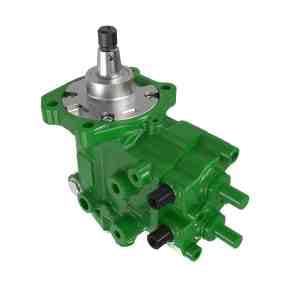
FFP-JD-R01364
Fuel Pump for John Deere - Replaces OEM DZ128160
Quote-only replacement part for OEM DZ128160. Confirm final fitment with your model or original part number.
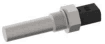
FFP-JD-R01366
Fuel Pump for John Deere - Replaces OEM RE330848
Quote-only replacement part for OEM RE330848. Confirm final fitment with your model or original part number.
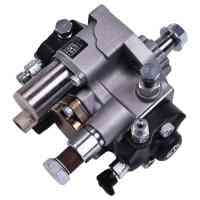
FFP-JD-R01365
Fuel Pump for John Deere - Replaces OEM RE543423
Quote-only replacement part for OEM RE543423. Confirm final fitment with your model or original part number.
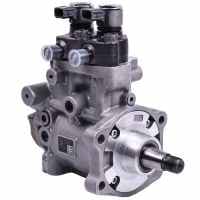
FFP-JD-R01363
Fuel Injection Pump for John Deere - Replaces OEM DZ128161
Quote-only replacement part for OEM DZ128161. Confirm final fitment with your model or original part number.
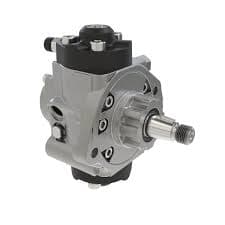
FFP-JD-R01362
Fuel Injection Pump for John Deere - Replaces OEM RE507959
Quote-only replacement part for OEM RE507959. Confirm final fitment with your model or original part number.
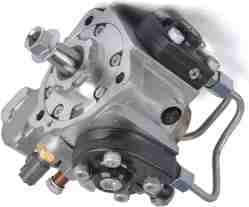
FFP-JD-R01361
Fuel Injection Pump for John Deere - Replaces OEM RE546126
Quote-only replacement part for OEM RE546126. Confirm final fitment with your model or original part number.
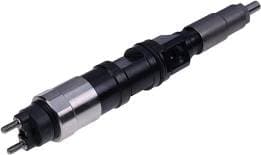
FFP-JD-R01399
Fuel Injection for John Deere - Replaces OEM DZ100221
Quote-only replacement part for OEM DZ100221. Confirm final fitment with your model or original part number.