Model Generations & Parts Compatibility Guide
Understand how John Deere and Case IH model generations affect part fitment. Learn generation markers, serial range changes, and compatibility.
When sourcing replacement parts for John Deere or Case IH equipment, the model name alone does not guarantee fitment. Manufacturers evolve their machines through distinct generations—engineering changes that alter dimensions, interfaces, electronics, and part numbers even within what appears to be the same model line. Understanding these generation boundaries is the difference between ordering the right part on the first attempt and dealing with a return, reorder, and lost shop time.
This guide explains how John Deere and Case IH organize model generations, how to identify which generation your equipment belongs to, and how to use that information when researching or requesting replacement parts.
Why Model Generations Matter
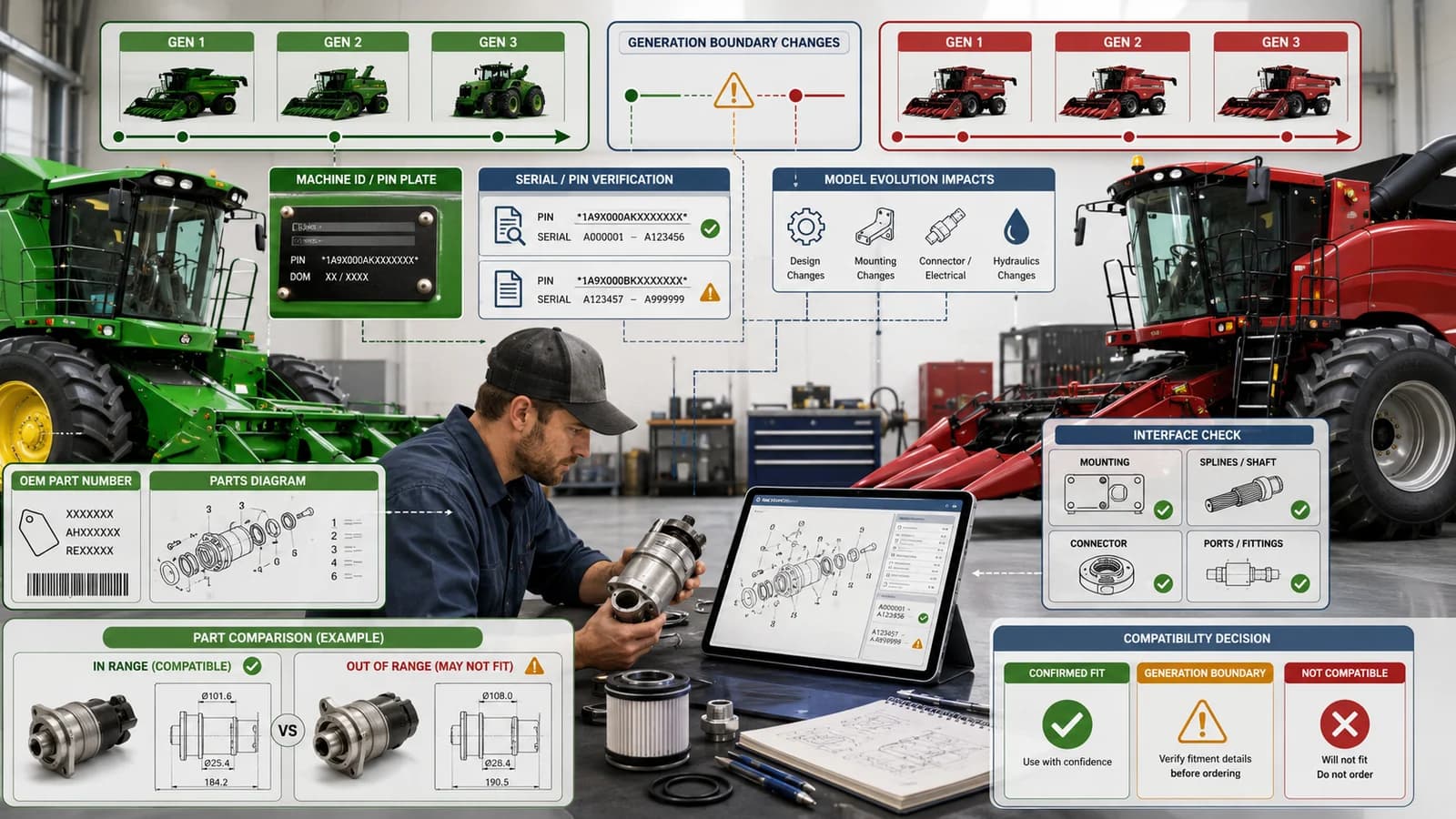
Equipment manufacturers continuously improve their products. Changes may be driven by emissions regulations, structural redesign, technology upgrades, or manufacturing process changes. When these changes affect part interfaces, the manufacturer assigns new part numbers—even if the model name remains the same or changes only by a digit.
A generation boundary means that a part designed for one side of the boundary may not physically install, hydraulically connect, or electronically communicate on the other side. Serial number ranges define where those boundaries fall within a model's production life.
John Deere Naming Conventions
Numeric Series and Suffixes
John Deere typically groups equipment into numbered series. Tractors use designations like 4020, 4230, 4440, 6120M, or 8R 370. Combines use series names like 9600, STS 9760, or S780. Within a series, the numeric designation often indicates power class or capacity tier.
Model Year Indicators
John Deere does not always embed the model year in the model number. The Product Identification Number (PIN) carries machine-specific identification data, but its character layout can vary by product family and production period. Use the PIN instructions in the operator's manual or enter the complete PIN in John Deere Parts Lookup rather than applying a universal decoder.
Series Transitions
When John Deere transitions between series, part compatibility often breaks. For example, the transition from the "New Generation" 20-series tractors (3020, 4020) to the "Generation II" 30-series (4030, 4230, 4430) changed hydraulic systems, electrical architecture, and cab structure. Similarly, combine transitions from the 9000 series to the STS series to the S-Series each introduced new platforms with limited backward compatibility.
Case IH Naming Conventions
Numeric Series and Families
Case IH groups equipment into named families such as Magnum, Steiger, Maxxum, Puma, and Axial-Flow, then uses model numbers within each family. Numbering conventions and available models change by generation and market. Treat the full model designation and PIN as identifiers; do not infer interchangeability from a shared family name or similar number.
Serial Number Format and Date Codes
Case IH equipment uses a PIN or serial identifier to distinguish the machine and production sequence. The format varies across product families and years. Dealers and the official parts system use the complete identifier to resolve the applicable catalog and serial breaks.
How to Identify Your Equipment's Generation
Reading the PIN
The Product Identification Number is stamped on a plate attached to the machine frame (typically near the operator station or on the right side of the frame). It may also appear on the registration documents, warranty card, or dealer service records. Copy the full PIN—do not abbreviate or guess missing characters.
Decoding Manufacture Year
Do not assume that an agricultural PIN follows the automotive VIN year-code convention. Some John Deere manuals document a manufacture-year character at a specific position, while other Deere machine manuals show a different field layout. Case IH formats also vary by family and production period. Use the exact machine's operator manual, official parts system, or dealer record to interpret the identifier.
Using PIN for Parts Lists
John Deere Parts Lookup supports PIN-based filtering for supported products, although the available filtering depth depends on model and data availability. Case IH's official parts resources and dealers can use machine identification details to narrow the catalog. PIN filtering reduces ambiguity, but the resulting illustration, serial range, and part notes still need review.
Generation Boundaries and Part Compatibility
When Part Numbers Change
Part numbers change at generation boundaries for several reasons:
- Physical interface changes (different bolt pattern, shaft size, connector).
- Material or specification upgrades (stronger alloy, different seal material).
- Electronic integration (added sensors, CAN bus connections, software dependencies).
- Supersession to a consolidated part that covers multiple prior variants.
Serial Range Applicability
The official parts catalog shows serial range applicability: "for machines with PIN beginning JD..." or "serial numbers 100001–250000." This is the authoritative source for determining whether a part number applies to your specific unit. Do not substitute a general model-fitment claim for a serial-range check. Within a single model, production changes can alter component specifications—fuel pumps are a prime example, as discussed in our fuel pump sourcing guide.
Cross-Generation Cases
Some parts span generation boundaries—common fasteners, universal bearings, standard seals, and some sheet-metal components may carry the same part number across multiple generations. However, this cannot be assumed. Always verify in the catalog rather than inferring from the model name alone.
Worked Example: John Deere 4000-Series Tractors
The John Deere 4020, 4030, and 4040 are useful examples of why a broad phrase such as "4000-series tractor" is not a fitment record. In the official catalog, start with the exact model, then locate the hydraulic assembly and check the PIN or serial notes attached to the part number. Repeat the lookup for the other model instead of assuming the same component carries across the family. A quote request for a hydraulic pump should therefore include the exact model, complete identifier, assembly location, and existing OEM number.
Worked Example: Case IH 5100-Series Tractors
The Case IH Maxxum 5120, 5130, and 5140 share a family name, but the family label does not prove that an engine, cooling, hydraulic, or PTO component interchanges. Search the exact model in the official parts resource, open the correct assembly, and compare the OEM number and serial notes. Mid-production changes can still divide one model into multiple applications, so the same serial-range checking process remains necessary.
Using This Information for Quote Requests
When requesting a replacement part quote, generation identification eliminates the most common sourcing errors:
- Include the full PIN or serial number — not just the model name.
- State the model year or manufacture date if the PIN is partially illegible.
- Reference the assembly or system where the part is installed.
- Note any known modifications — if the machine has been updated with components from a different generation, say so explicitly.
This information allows the supplier to resolve generation boundaries before quoting, rather than shipping a part that relies on a model-name assumption.
For detailed cross-referencing workflows, see our guides on John Deere part number cross-referencing and Case IH fitment verification. For sourcing considerations, our OEM vs. aftermarket comparison covers quality and cost factors.
Submit a replacement-part quote request with your PIN, model, and component details to get generation-accurate sourcing assistance.
Official references
- John Deere Parts Lookup FAQ
- John Deere Parts and Service
- John Deere Product Identification manual example
- Case IH Parts and Service
- Case IH Magnum Series
- Case IH Axial-Flow legacy and current lineup
John Deere, Case IH, and their model names are trademarks of their respective owners. FieldFit Parts is not affiliated with or endorsed by John Deere or Case IH. OEM numbers and model names are used for identification and compatibility reference only. Always confirm the current OEM catalog record, serial applicability, and the machine's actual configuration before ordering or installing a replacement part.
Continue to the catalog
Related Combine Parts Catalogs
Move from lookup guidance to published brand-specific parts. Search by the complete OEM or reference number and confirm the machine details before ordering.
John Deere Combine Parts
Browse published John Deere combine replacement parts by OEM or reference number, then verify model and serial details.
Browse partsPublished catalogCase IH Combine Parts
Browse published Case IH combine replacement parts by OEM or reference number, then verify model and serial details.
Browse partsPublished catalogNew Holland Combine Parts
Browse published New Holland combine replacement parts by OEM or reference number, then verify model and serial details.
Browse partsRelated Parts
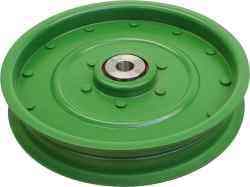
JD5001
Idler Pulley for John Deere - Replaces OEM AH94450
Aftermarket replacement for John Deere OEM AH94450. Review listed machine fitment and request a quote from FieldFit Parts.

FFP-JD-000017
Bearing for John Deere - Replaces OEM JD7689
Aftermarket replacement for John Deere OEM JD7689. Review listed machine fitment and request a quote from FieldFit Parts.
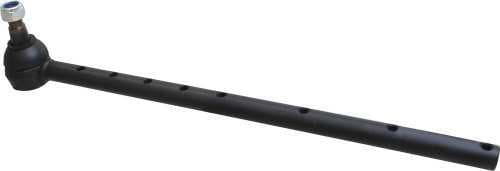
FFP-JD-000016
2WD Steering Tie Rod Assembly for John Deere - Replaces OEM AH231494
Aftermarket replacement for John Deere OEM AH231494. Review listed machine fitment and request a quote from FieldFit Parts.
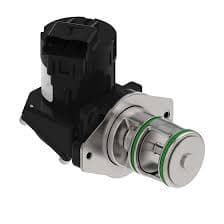
FFP-JD-000021
Recycling Valve for John Deere - Replaces OEM DZ111267
Aftermarket replacement for John Deere OEM DZ111267. Review listed machine fitment and request a quote from FieldFit Parts.
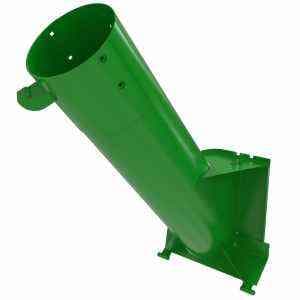
FFP-JD-000020
Auger Tube for John Deere - Replaces OEM AH219093
Aftermarket replacement for John Deere OEM AH219093. Review listed machine fitment and request a quote from FieldFit Parts.

FFP-JD-000019
Roller Chain for John Deere - Replaces OEM AXE54619
Aftermarket replacement for John Deere OEM AXE54619. Review listed machine fitment and request a quote from FieldFit Parts.
JD5146
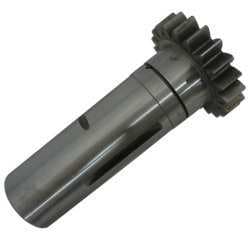
Gears for John Deere - Replaces OEM H207015
Aftermarket replacement for John Deere OEM H207015. Review listed machine fitment and request a quote from FieldFit Parts.
JD5649
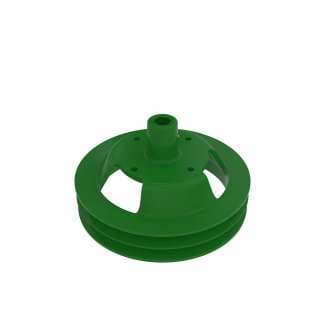
Conveyor Auger Drive Pulley for John Deere - Replaces OEM AXE46135
Quote-only replacement part for OEM AXE46135. Confirm final fitment with your model or original part number.
FFP-JD-R01084
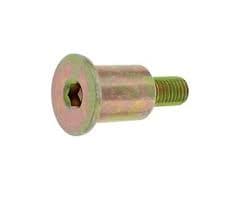
Socket Head Screw, M12 x 50 for John Deere - Replaces OEM H175609
Quote-only replacement part for OEM H175609. Confirm final fitment with your model or original part number.
FFP-JD-R01415
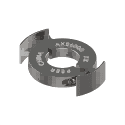
Locking Collar for John Deere - Replaces OEM AXE93449
Quote-only replacement part for OEM AXE93449. Confirm final fitment with your model or original part number.
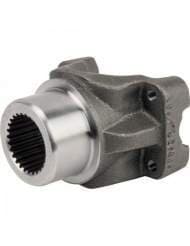
JD5066
Universal Joint Yoke for John Deere - Replaces OEM H121681
Quote-only replacement part for OEM H121681. Confirm final fitment with your model or original part number.
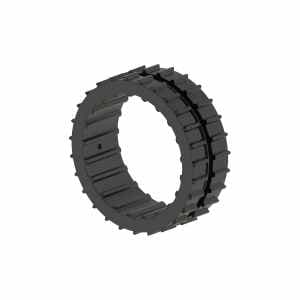
FFP-JD-R00175
Chopper Driven Splined Shifter Hub for John Deere - Replaces OEM HXE19303
Quote-only replacement part for OEM HXE19303. Confirm final fitment with your model or original part number.
JD5681
Internal Oil Seal for John Deere Combines - Replaces OEM AH144149
Aftermarket internal oil seal replacing John Deere OEM AH144149. CR25108 is listed as a cross-reference; verify model, serial range, seal location, and dimensions before ordering.